Living on Earth: June 19th, 2026
Air Date: June 19, 2026
The 2026 El Niño is now officially underway, according to the National Oceanic and Atmospheric Administration or NOAA. Combined with the ongoing rising temperatures from the climate crisis, this possible “super” El Niño could spell major disruption of weather patterns and ocean circulation worldwide. Kevin Trenberth, scientist at the University of Auckland in New Zealand as well as a Distinguished Scholar at the National Center for Atmospheric Research in Boulder, Colorado, joins Host Jenni Doering to explain.

- 1El Niño Is Here
- 2Border Wall Threatens Sacred Mountain
- 3Note on Emerging Science: Long-Lived Greenland Sharks
- 4A Cemetery Buzzing with Bees
- 5How Flowers Made Our World
El Niño Is Here
10 min read · 13 min listen
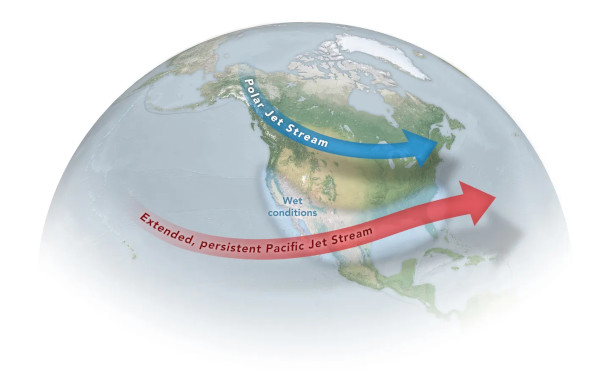
The 2026 El Niño is now officially underway, according to the National Oceanic and Atmospheric Administration or NOAA. Combined with the ongoing rising temperatures from the climate crisis, this possible “super” El Niño could spell major disruption of weather patterns and ocean circulation worldwide. Kevin Trenberth, scientist at the University of Auckland in New Zealand as well as a Distinguished Scholar at the National Center for Atmospheric Research in Boulder, Colorado, joins Host Jenni Doering to explain.
Border Wall Threatens Sacred Mountain
5 min read · 6 min listen
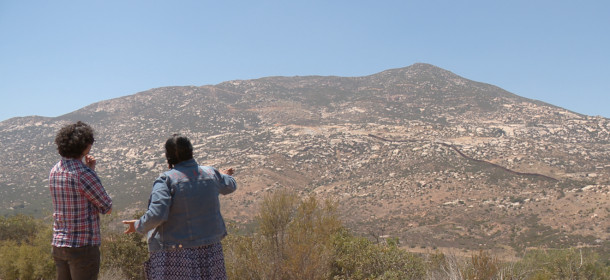
As part of its hard line on immigration, the Trump administration is building out new sections of border barriers, and one of the sections recently under construction runs across a small Southern California mountain just east of San Diego called Tecate Peak. KPBS reporter Gustavo Solis says construction crews are destroying parts of a mountain that’s sacred to the Kumeyaay people of California and Baja California.
Note on Emerging Science: Long-Lived Greenland Sharks
2 min read · 3 min listen
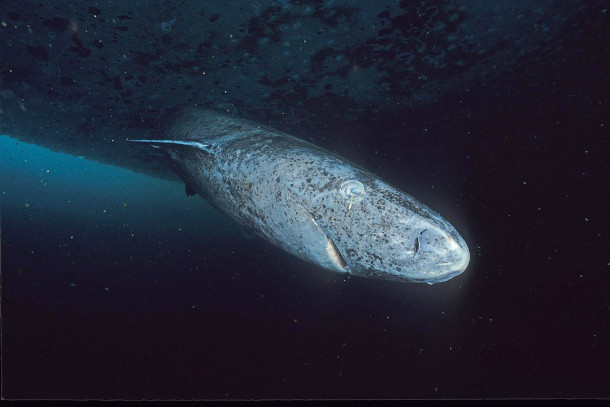
With a lifespan of several hundred years, Greenland sharks may be the longest living vertebrates on Earth and are estimated to reach sexual maturity at about 150 years old. Living on Earth’s Don Lyman reports in this note on emerging science about how enhanced activity of DNA repair genes may help Greenland sharks’ eyes avoid the usual degradation of aging.
A Cemetery Buzzing with Bees
10 min read · 13 min listen
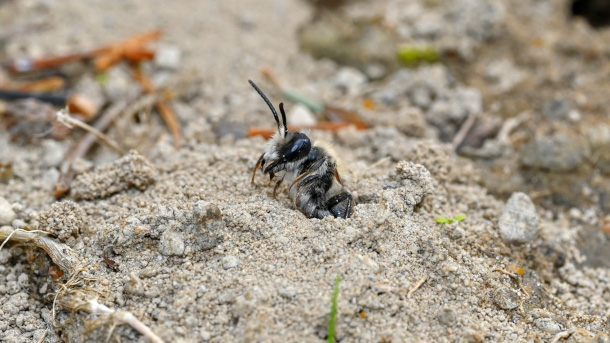
While honeybees get most of the buzz, most bees don’t produce honey, and most don’t even live in colonies. Instead, they’re solitary bees who build individual nests. These are the type of bees that Bryan Danforth studies as a professor of entomology at Cornell University. He speaks with Host Paloma Beltran about his recent paper detailing an astonishing finding of several million solitary bees in a cemetery in Ithaca, New York.
How Flowers Made Our World
14 min read · 19 min listen
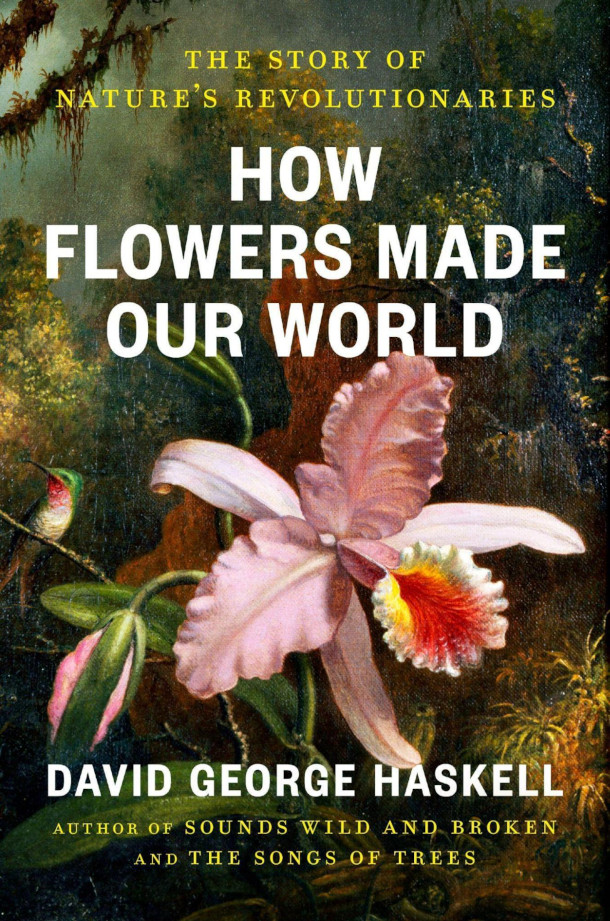
Lush peonies, delicate hydrangeas, and vibrant roses burst into bloom in early summer, filling gardens and parks with color and fragrance. But flowers are more than their beauty. They’re some of the oldest beings on Earth, and they played a large role in shaping the natural world as we know it. David George Haskell is an author and biologist whose 2026 book is How Flowers Made Our World: The Story of Nature’s Revolutionaries, and he joined Living on Earth’s Steve Curwood.