Living on Earth: June 5th, 2026
Air Date: June 05, 2026
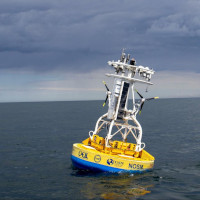
The National Science Foundation has announced it will begin removing most of the Ocean Observatories Initiative, a collection of roughly 900 instruments in the Pacific and Atlantic Oceans that gathers fixed-point data on temperature, carbon dioxide levels, and more. Craig McLean, formerly the assistant administrator for research and acting chief scientist at NOAA, joins Host Jenni Doering to discuss the importance of this monitoring system to understanding climate risks, vital ocean currents and more.

- 1Trump Cuts Ocean Monitoring
- 2Ancient Greek Sites Rich in Biodiversity
- 3I Know Where the Wild Crane Goes
- 4Seeking Environmental Justice in Papua New Guinea
Trump Cuts Ocean Monitoring
19 min read · 25 min listen
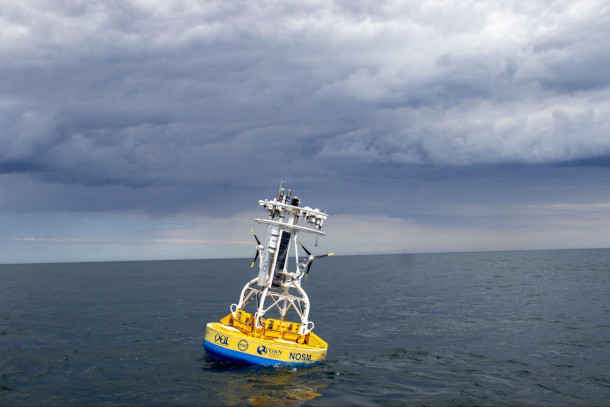
The National Science Foundation has announced it will begin removing most of the Ocean Observatories Initiative, a collection of roughly 900 instruments in the Pacific and Atlantic Oceans that gathers fixed-point data on temperature, carbon dioxide levels, and more. Craig McLean, formerly the assistant administrator for research and acting chief scientist at NOAA, joins Host Jenni Doering to discuss the importance of this monitoring system to understanding climate risks, vital ocean currents and more.
Ancient Greek Sites Rich in Biodiversity
9 min read · 12 min listen
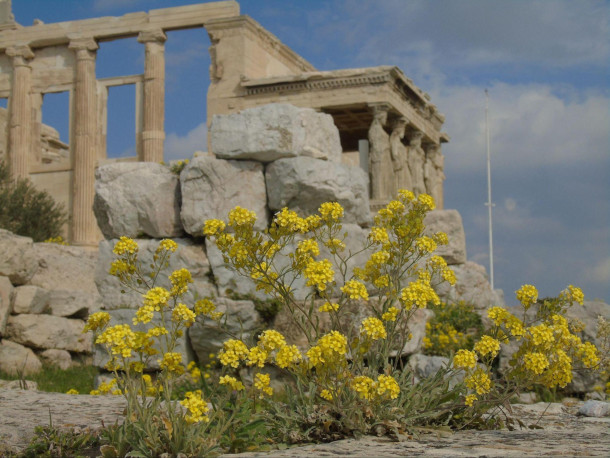
Today, the Agora and Acropolis of Athens, Delphi on Mount Parnassus, and other Greek archaeological sites preserve not only cultural heritage, but also animal and plant species, including some that were around in ancient times and described in historical accounts and Greek mythology. Panayiotis Pafilis is a professor of animal diversity at the National and Kapodistrian University of Athens who has studied this abundance of life at ancient sites, and he speaks with Host Aynsley O’Neill.
I Know Where the Wild Crane Goes
3 min read · 3 min listen

Sandhill cranes are now nesting up on the tundra, northwest of upper Hudson Bay. Explorer in Residence Mark Seth Lender has followed them there from their wintering grounds in Bosque del Apache National Wildlife Refuge, New Mexico.
Seeking Environmental Justice in Papua New Guinea
10 min read · 13 min listen
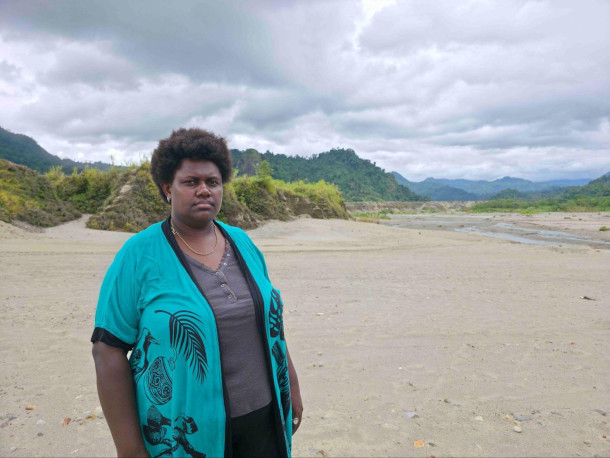
The indigenous residents of Bougainville island in Papua New Guinea say their home used to provide them with everything they needed—shelter, fertile land, and clean water. That is until a copper and gold mine run by British-Australian company Rio Tinto set up shop and operated in the 1970s and 80s. Today, heavy metals like copper sulfate and cadmium still pollute waterways, and Theonila Roka Matbob, the 2026 Goldman Environmental Prize Winner for Islands and Island Nations, has been fighting for years to pressure Rio Tinto into taking full responsibility for remediating this damage. She joins Host Jenni Doering.